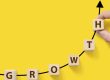

How small businesses can build scalable growth systems instead of chasing leads is a critical shift that separates struggling companies from those that grow consistently. Many small businesses spend their time chasing leads through scattered marketing tactics and short-term campaigns. However, without a structured system, results remain unpredictable and difficult to scale. Therefore, building a growth system allows businesses to generate consistent leads without constant effort. When systems replace manual processes, companies gain stability and efficiency. Many business owners rely on referrals or inconsistent outreach to drive revenue. As a result, income fluctuates and growth becomes difficult to sustain. Consequently, businesses that implement scalable systems create a predictable path to expansion. Business Consulting Agency helps companies develop structured growth systems through strategy, marketing alignment, and performance optimization designed to support long-term success.
Shift From Tactics to Systems
Many businesses rely on individual marketing tactics such as social media posts or occasional campaigns. While these tactics can produce results, they are not sustainable on their own. Therefore, shifting from isolated tactics to integrated systems is essential. When marketing efforts are connected, businesses create consistency and predictability. As a result, growth becomes more reliable.
Key differences between tactics and systems include:
- tactics are short-term actions
- systems are repeatable processes
- tactics produce inconsistent results
- systems create predictable outcomes
This shift lays the foundation for scalable growth.
Define a Clear Growth Framework
A growth system begins with a clear framework that outlines how leads are generated and converted. Many businesses operate without a defined process, which leads to inefficiencies. Therefore, creating a structured framework ensures that every stage of the customer journey is optimized. When businesses understand how leads move through their system, they can improve performance. Consequently, results become more consistent.
Key framework components include:
- lead generation channels
- conversion processes
- follow-up systems
- retention strategies
These elements create a complete growth structure.
Build Consistent Lead Generation Channels
Relying on a single lead source creates risk and instability. Many businesses depend heavily on referrals or one marketing channel. Therefore, building multiple lead generation channels improves consistency. When businesses diversify their sources, they reduce dependency and increase opportunities. As a result, lead flow becomes more stable.
Effective lead generation channels include:
- search engine optimization
- content marketing
- paid advertising
- email marketing
These channels work together to generate ongoing leads.
Optimize Conversion Systems
Generating leads is only part of the process. Businesses must convert those leads into customers. Many companies lose potential clients due to weak conversion systems. Therefore, optimizing conversion processes improves results significantly. When businesses guide prospects effectively, conversion rates increase. Consequently, more revenue is generated from existing leads.
Key conversion improvements include:
- clear calls to action
- optimized landing pages
- simplified contact forms
- effective follow-up processes
These elements improve customer acquisition.
Implement Automation for Efficiency
Manual processes limit scalability. Many small businesses spend time on repetitive tasks that could be automated. Therefore, implementing automation improves efficiency and frees up resources. When systems handle routine tasks, businesses can focus on growth. Consequently, operations become more streamlined.
Automation opportunities include:
- email follow-up sequences
- lead nurturing campaigns
- appointment scheduling
- customer communication
These systems improve productivity and scalability.
Align Marketing and Sales
Marketing and sales must work together to create a seamless customer journey. Many businesses treat them as separate functions, which leads to inefficiencies. Therefore, aligning these areas improves overall performance. When marketing generates qualified leads and sales follow up effectively, conversion rates increase. Consequently, revenue growth becomes more predictable.
Alignment strategies include:
- defining lead qualification criteria
- improving communication between teams
- tracking lead progress
- optimizing sales processes
These actions strengthen the growth system.
Use Data to Improve Performance
Data-driven decision-making is essential for scalable growth. Businesses must track performance to identify opportunities for improvement. Therefore, analyzing key metrics helps refine strategies. When data is used effectively, businesses can optimize their systems continuously. Consequently, results improve over time.
Important metrics include:
- lead generation rates
- conversion rates
- customer acquisition cost
- lifetime customer value
These insights guide strategic improvements.
Strengthen Customer Retention Systems
Retention is often overlooked in growth strategies. Many businesses focus only on acquiring new customers. However, retaining existing clients increases profitability. Therefore, building retention systems is essential. When customers return, revenue becomes more stable. Consequently, growth accelerates.
Retention strategies include:
- follow-up communication
- loyalty programs
- customer support systems
- ongoing engagement
These efforts increase customer lifetime value.
Scale With Repeatable Processes
Scalability depends on repeatable processes. Businesses must create systems that can handle increased demand without breaking down. Therefore, documenting and refining processes is critical. When processes are repeatable, businesses can expand efficiently. Consequently, growth becomes manageable.
Scalable process elements include:
- standardized workflows
- documented procedures
- performance tracking
- continuous optimization
These processes support long-term expansion.
Long-Term Benefits of Growth Systems
How small businesses can build scalable growth systems instead of chasing leads becomes clear when considering long-term results. Businesses that rely on systems achieve consistent performance and stability. Instead of chasing opportunities, they attract them. Consequently, growth becomes predictable and sustainable.
Long-term benefits include:
- consistent lead generation
- improved efficiency
- reduced dependency on manual effort
- scalable business growth
These advantages create lasting success.
Key Takeaways
How small businesses can build scalable growth systems instead of chasing leads highlights the importance of structure and strategy. Businesses that implement systems achieve better results and long-term stability.
Core takeaways include:
- shift from tactics to systems
- build consistent lead generation channels
- optimize conversion processes
- use data to improve performance
These elements create a strong growth foundation.
Q&A
| Question | Answer |
|---|---|
| Why do businesses struggle with lead generation? | Many rely on inconsistent tactics instead of structured systems. |
| What is the most important part of a growth system? | Consistent lead generation combined with strong conversion processes. |
| Can small businesses build scalable systems? | Yes, with the right strategy and implementation. |
How Business Consulting Agency Helps Businesses Grow
Business Consulting Agency helps small companies build scalable growth systems through strategic consulting, marketing alignment, and performance optimization designed to generate consistent leads and long-term success.