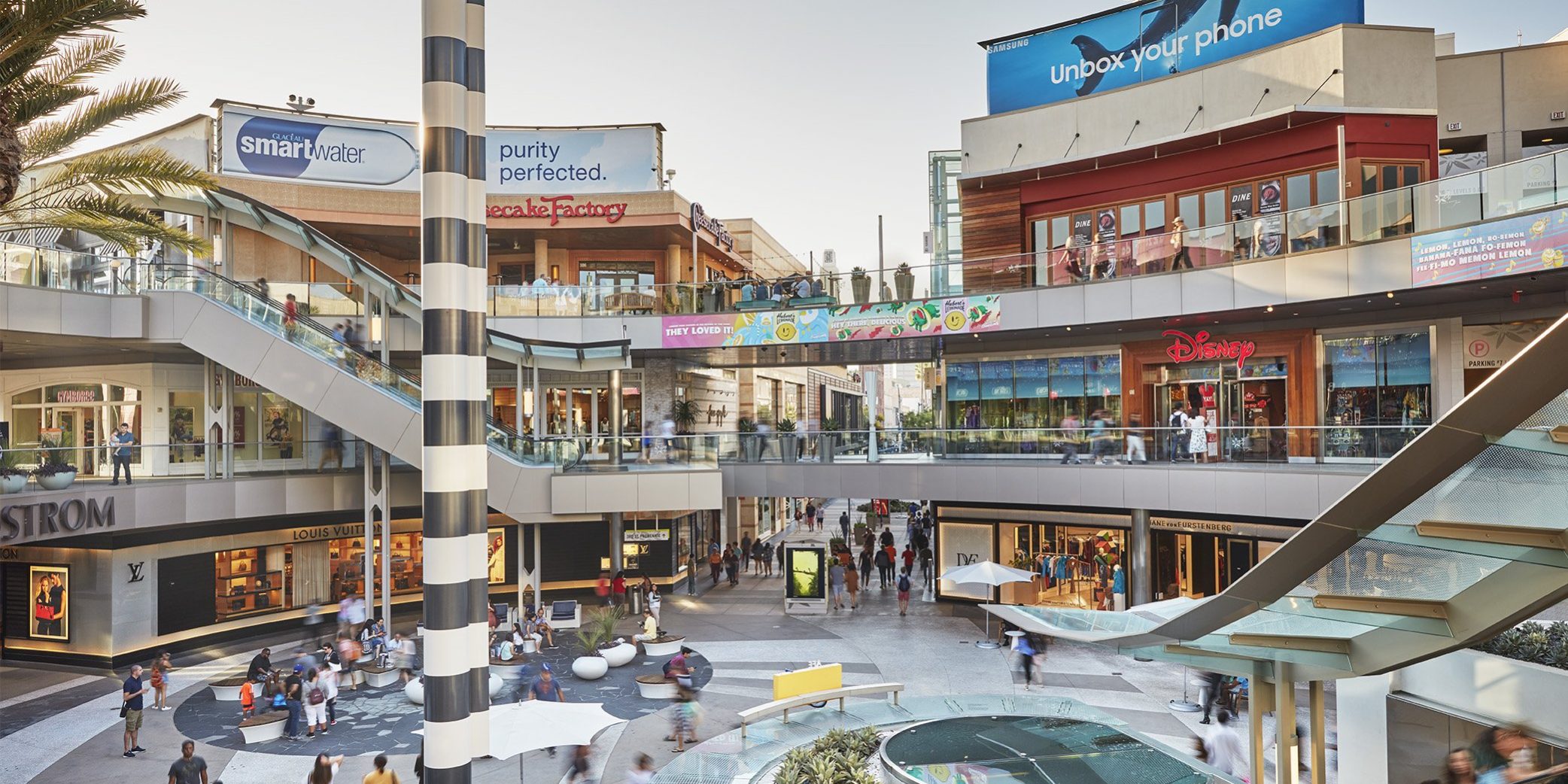
Retailers in Santa Monica have long benefited from a prime location, affluent demographics, and steady tourist traffic. However, recent years brought challenges that forced major change. From the shift to e-commerce to changing customer expectations, local retailers needed to evolve. Now, in 2025, many Santa Monica businesses have not only adapted—but are thriving. Their transformation offers valuable lessons for other retailers across California. Find out here more on how Santa Monica retailers transitioned for 2025 and the future. Get business assistance, work with business consultants.
Embracing Omni-Channel Retail Strategy
One of the most successful transitions among Santa Monica retailers has been their move to omni-channel retail. Rather than relying only on in-store sales, they now serve customers through multiple channels. Retailers built e-commerce stores, optimized mobile shopping experiences, and integrated online inventory with in-store systems.
This approach gave shoppers more convenience and helped businesses stay competitive. Because consumers expect seamless shopping experiences, blending digital and physical retail has become essential. In 2025, most successful Santa Monica retailers use omni-channel platforms that support real-time inventory, personalized messaging, and fast shipping.
Investing in Store Experience and Technology
While e-commerce continues to grow, physical retail is far from dead. In fact, Santa Monica retailers have proven that in-store experience still matters—especially when supported by technology. Stores are no longer just places to shop; they’re destinations.
Retailers updated store layouts, introduced interactive product displays, and improved lighting and ambiance. Additionally, they implemented smart mirrors, customer data tools, and POS systems that streamline checkout. Because customer expectations are higher, these investments create an edge that drives loyalty and foot traffic.
Prioritizing Local and Sustainable Values
Santa Monica has always been known for its environmental consciousness. Retailers now embrace these values more than ever. In 2025, sustainability is not just a trend—it’s a business necessity. Local customers prefer brands that care about the planet and their community.
Retailers switched to sustainable packaging, reduced waste, and partnered with eco-conscious suppliers. They also promoted locally made products and highlighted their community impact. Because younger consumers support mission-driven brands, these practices improved customer loyalty and social reputation.
Strengthening Brand Identity and Storytelling
In a saturated market, having a strong brand is vital. Santa Monica retailers redefined their brand identity with clear missions, engaging storytelling, and emotional connections. They told authentic stories about their founders, product origins, and customer impact.
This storytelling extends across websites, emails, and in-store signage. Rather than selling products, businesses now sell values and lifestyles. Because storytelling builds connection, customers feel more invested and more likely to return.
Leveraging Influencers and Social Media
Influencer marketing continues to grow in importance, especially in lifestyle and fashion retail. Santa Monica businesses began collaborating with local influencers who align with their brand ethos. They ran campaigns on Instagram, TikTok, and YouTube to expand reach and drive traffic.
In addition, they used user-generated content, reviews, and behind-the-scenes videos to build engagement. Because social proof drives buying decisions, this strategy helped convert followers into loyal shoppers.
Using Data to Make Smarter Decisions
Retailers who thrive in 2025 rely on data, not guesswork. Santa Monica businesses began using tools that analyze customer behavior, sales trends, and product performance. These insights guide everything from inventory planning to marketing campaigns.
Consultants helped set up CRM systems, integrate sales analytics, and create dashboards for real-time decisions. Because accurate data reveals what’s working, retailers can pivot faster and avoid costly mistakes.
Adapting to Tourist and Local Traffic Changes
Tourism in Santa Monica fluctuated over recent years. Retailers learned to diversify their customer base and adapt marketing based on local traffic patterns. They launched local loyalty programs, partnered with neighborhood events, and created promotions for nearby residents.
During tourist seasons, they adapted signage, language, and offers to match visitor needs. Because traffic patterns now vary more than before, agility in customer targeting is key to stable revenue.
Enhancing Customer Retention Efforts
While attracting new customers is important, retaining current ones became a bigger focus in 2025. Santa Monica retailers invested in loyalty programs, personalized follow-ups, and re-engagement campaigns.
They collected customer data to send birthday offers, product recommendations, and thank-you messages. Additionally, they offered members-only deals and early access to new products. Because repeat customers spend more, these strategies improved ROI across all marketing efforts.
Collaborating with Local Consultants and Experts
Many Santa Monica retailers hired business consultants to navigate these changes. Consultants brought industry knowledge, marketing systems, and digital expertise. They helped build strategy, reduce costs, and implement scalable tools.
With expert help, businesses avoided guesswork and launched new initiatives with confidence. Because consulting shortens the learning curve, many retailers credit their growth in part to professional support.
Responding to Economic Shifts and Inflation
2025 brought continued cost pressures due to inflation and labor shortages. Santa Monica retailers adjusted pricing models, optimized staffing, and focused on higher-margin products.
Consultants also helped restructure vendor contracts and reduce unnecessary spending. Retailers focused on financial agility, testing smaller batch orders and shortening supply chains. Because flexibility reduces financial risk, these efforts protected profitability during uncertain times.
Looking Ahead: What’s Next?
Santa Monica retailers are not standing still. They continue exploring emerging tools like AI-driven customer personalization, AR shopping, and subscription models. They are also preparing for more automated logistics, sustainable materials, and loyalty through blockchain systems.
Because innovation drives longevity, the future of Santa Monica retail looks strong. Businesses that stay open to change and listen to customers will continue leading the industry.
Find out here more on how Santa Monica retailers transitioned for 2025 and the future. Get business assistance, work with business consultants.