 Retail advertising plays a crucial role in the success of any brand. It helps increase visibility, drive sales, and build brand loyalty. Here’s a detailed look at the various retail advertising opportunities available for brands, along with their benefits. Advertising can be a key driver to creating the momentum any size business could benefit from. Exploring retail advertising opportunities to boost sales and market share gain. Work through consulting services for better results.
In-Store Advertising
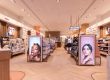
In-store advertising targets customers while they are shopping, influencing purchasing decisions at the point of sale.
- Product Displays: Use eye-catching product displays to highlight new or featured products. They attract attention and encourage impulse purchases.
- End Caps: Place products on end caps of aisles. High visibility areas boost sales.
- Shelf Talkers: Use small signs or tags attached to shelves. Provide information about the product, such as benefits or special offers.
- Digital Signage: Install digital screens to display advertisements. Easily update content and engage customers with dynamic visuals.
Benefits:
- Directly targets customers ready to purchase.
- Enhances product visibility and attractiveness.
- Encourages impulse buying and cross-selling.
Online Advertising
Online advertising reaches a broader audience and drives traffic to both physical and online stores.
- Social Media Ads: Advertise on platforms like Facebook, Instagram, and Twitter. Target specific demographics and interests.
- Search Engine Ads: Use Google Ads to appear in search results. Reach customers actively searching for related products.
- Display Ads: Place banner ads on relevant websites. Increase brand awareness and drive traffic.
- Email Marketing: Send targeted emails to subscribers. Promote products, sales, and events.
Benefits:
- Targets a wide audience with precision.
- Provides measurable results and insights.
- Cost-effective with high return on investment (ROI).
Mobile Advertising
With the increasing use of smartphones, mobile advertising is essential for reaching on-the-go consumers.
- SMS Marketing: Send promotional text messages. Announce sales, new arrivals, or exclusive offers.
- App Ads: Advertise within mobile apps. Reach users engaged with related content.
- Location-Based Ads: Use geofencing to target ads to customers near your store. Encourage visits with timely offers.
Benefits:
- Reaches consumers anytime, anywhere.
- High engagement rates with personalized messages.
- Drives foot traffic to physical stores.
Print Advertising
Print advertising remains effective for certain audiences and complements digital efforts.
- Newspapers and Magazines: Place ads in relevant publications. Reach targeted readers interested in your products.
- Flyers and Brochures: Distribute printed materials in-store or through direct mail. Provide detailed information and coupons.
- Catalogs: Create comprehensive catalogs showcasing your product range. Encourage browsing and purchasing.
Benefits:
- Tangible materials create a lasting impression.
- Effective for local targeting.
- Complements digital campaigns for a multi-channel approach.
Outdoor Advertising
Outdoor advertising captures the attention of a broad audience in high-traffic areas.
- Billboards: Place large ads on billboards along busy roads. High visibility and repeated exposure.
- Transit Ads: Advertise on buses, trains, and transit shelters. Reach commuters and travelers.
- Street Furniture: Use ads on benches, kiosks, and bus stops. Engage pedestrians in urban areas.
Benefits:
- Wide reach and high frequency.
- Increases brand awareness and recall.
- Targets specific geographic locations.
Influencer Marketing
Collaborating with influencers can boost your brand’s credibility and reach.
- Product Reviews: Have influencers review your products. Provide honest feedback and recommendations to their followers.
- Sponsored Posts: Pay influencers to create content featuring your products. Reach their engaged audience.
- Giveaways and Contests: Partner with influencers for promotional events. Increase engagement and attract new customers.
Benefits:
- Leverages the trust and influence of popular figures.
- Targets niche audiences effectively.
- Drives social media engagement and brand loyalty.
Event Sponsorships
Sponsoring events can enhance brand visibility and connect with a relevant audience.
- Trade Shows: Participate in industry trade shows. Showcase products and network with potential customers.
- Community Events: Sponsor local events. Build goodwill and local presence.
- Product Launches: Host events to introduce new products. Generate excitement and media coverage.
Benefits:
- Direct interaction with potential customers.
- Builds brand reputation and credibility.
- Generates buzz and media attention.
Loyalty Programs
Loyalty programs encourage repeat business and customer retention.
- Rewards Points: Offer points for purchases. Allow customers to redeem points for discounts or free products.
- Exclusive Offers: Provide special discounts and early access to new products for members.
- Referral Programs: Reward customers for referring friends and family. Expand your customer base.
Benefits:
- Increases customer retention and lifetime value.
- Encourages repeat purchases.
- Builds a loyal customer base.
Public Relations (PR)
Effective PR strategies can enhance brand image and credibility.
- Press Releases: Distribute news about your brand, products, or events. Reach media outlets and journalists.
- Media Coverage: Secure features in newspapers, magazines, and online publications. Increase brand visibility.
- Crisis Management: Address negative publicity proactively. Protect your brand’s reputation.
Benefits:
- Builds trust and credibility.
- Enhances brand image.
- Reaches a wide audience through reputable sources.
Retail advertising offers a variety of opportunities for brands to connect with their audience, increase visibility, and drive sales. By leveraging in-store advertising, online advertising, mobile advertising, print advertising, outdoor advertising, influencer marketing, event sponsorships, loyalty programs, and public relations, brands can create a comprehensive and effective marketing strategy. Each method has unique benefits, and using a combination of these strategies can lead to greater success in the competitive retail landscape. Exploring retail advertising opportunities with expert help. Speak to a consultant about your advertising and marketing needs.