
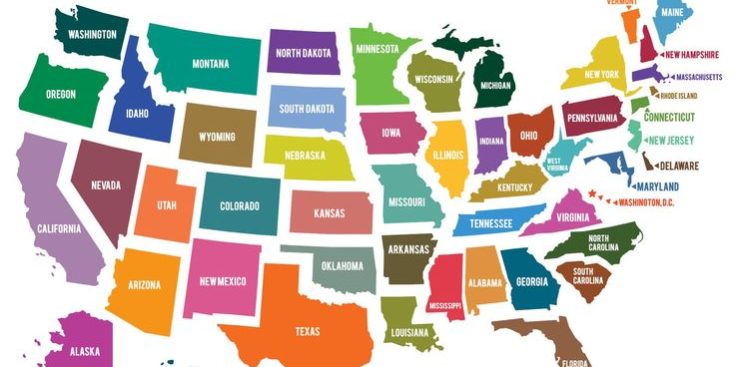
The United States remains one of the largest and most influential markets in the world. Companies from around the globe see the US as a prime destination for expansion because of its size, purchasing power, and opportunities. However, doing business in the United States requires careful planning, compliance, and cultural understanding. Entrepreneurs must adapt to complex regulations, diverse consumer behaviors, and highly competitive industries. Therefore, a detailed guide is essential for navigating challenges and maximizing success. This article provides a comprehensive roadmap for businesses entering and operating in the US market effectively. Here is a guide for doing business in the US Market. Find out more here on entering and conducting business in the US by business experts through US market consulting services.
Understanding the US Market Landscape
The US economy is vast and diverse, offering opportunities across industries such as technology, healthcare, retail, manufacturing, and finance. Consumers are highly sophisticated, and competition is intense. Furthermore, regional differences shape demand, purchasing habits, and cultural expectations. For instance, preferences in California may differ significantly from those in Texas or New York. Therefore, businesses must analyze demographics, industry trends, and market segments before entry. Thorough research ensures alignment with local expectations and reduces risks.
Legal and Regulatory Framework
Compliance is critical when operating in the United States. Businesses must register with federal, state, and sometimes local authorities. Furthermore, industries such as healthcare, food, and finance face strict regulations. Intellectual property protection through trademarks, copyrights, or patents is essential in competitive markets. Tax systems are complex, combining federal, state, and sometimes municipal requirements. Employment laws regulate wages, benefits, and workplace safety. Therefore, working with legal advisors ensures compliance and prevents costly mistakes. Proper legal frameworks build credibility and protect long-term operations.
Choosing the Right Business Structure
Business structure impacts taxation, liability, and governance. Entrepreneurs may choose from sole proprietorships, partnerships, limited liability companies, or corporations. Each structure has advantages depending on business size, funding, and growth goals. For example, LLCs offer flexibility and liability protection, while corporations provide better fundraising opportunities. Furthermore, foreign companies may establish subsidiaries or branch offices. Consulting with legal and tax experts helps determine the most suitable structure. Therefore, selecting the right framework ensures efficiency, compliance, and scalability.
Securing Funding and Investment
Access to funding remains one of the biggest challenges for businesses in the United States. Options include venture capital, angel investors, bank loans, crowdfunding, and government grants. Furthermore, the US hosts a vibrant ecosystem of private equity firms and incubators that support startups. Entrepreneurs must prepare detailed business plans, financial forecasts, and investor-ready pitches. Strong financial management reassures lenders and investors. Therefore, securing funding requires preparation, credibility, and alignment with investor expectations. Diversifying funding sources reduces risks and ensures stability.
Understanding Consumer Behavior
American consumers are diverse, tech-savvy, and value-driven. They expect convenience, quality, and transparency. Furthermore, trends such as sustainability, personalization, and digital engagement shape purchasing decisions. Social media influences awareness, while online reviews impact trust. Regional variations also affect preferences, requiring localized strategies. Businesses must analyze consumer data to design relevant offerings and experiences. Therefore, understanding consumer behavior enables businesses to connect authentically and increase market success.
Building a Strong Brand Presence
Branding plays a crucial role in competitive US markets. Businesses must establish clear positioning, values, and messaging that resonate with target audiences. Visual identity elements such as logos, packaging, and design must remain consistent across channels. Furthermore, storytelling helps connect emotionally with consumers. Brands that emphasize authenticity, inclusivity, and innovation gain credibility. Digital platforms amplify brand visibility, requiring active management of reputation. Therefore, building strong brands ensures recognition, differentiation, and long-term loyalty in crowded markets.
Developing Effective Marketing Strategies
Marketing strategies must integrate digital and traditional approaches. Search engine optimization ensures visibility when consumers research online. Social media platforms like Instagram, TikTok, and LinkedIn provide engagement opportunities. Furthermore, content marketing, influencer partnerships, and paid advertising strengthen awareness. Email marketing nurtures long-term relationships with customers. Localized campaigns tailored to regional preferences improve relevance. Additionally, tracking metrics ensures effectiveness and adaptability. Therefore, strong marketing strategies drive visibility, engagement, and conversions in the US market.
Leveraging E-Commerce Opportunities
E-commerce continues to grow rapidly in the United States. Businesses must prioritize online platforms that deliver seamless experiences. Websites should be mobile-friendly, fast, and optimized for conversions. Furthermore, integrating secure payment options and transparent return policies increases trust. Marketplaces such as Amazon, eBay, and Walmart provide access to millions of customers. Social commerce features on platforms like Instagram and TikTok expand reach further. Therefore, leveraging e-commerce opportunities ensures accessibility, scalability, and competitiveness in the digital-first US market.
Managing Logistics and Supply Chains
Efficient logistics and supply chain management remain critical for US businesses. Distribution networks must ensure fast and reliable delivery. Warehousing solutions must align with demand fluctuations. Furthermore, supply chain disruptions such as labor shortages or global events require contingency planning. Businesses should also prioritize sustainable practices to align with consumer expectations. Partnerships with reliable logistics providers enhance performance. Therefore, managing supply chains effectively ensures customer satisfaction and operational efficiency. Here is a guide for doing business in the US Market. Find out more here on entering and conducting business in the US by business experts through US market consulting services.
Hiring and Managing Talent
The US offers access to a large, skilled workforce. However, competition for talent is high. Businesses must design competitive compensation packages and positive workplace cultures. Furthermore, diversity and inclusion play important roles in recruitment and retention. Training and development programs strengthen employee performance and loyalty. Compliance with employment laws ensures security and credibility. Additionally, leadership development prepares organizations for long-term growth. Therefore, hiring and managing talent effectively becomes a cornerstone of business success.
Understanding Taxation in the US
Taxation in the United States can be complex. Federal, state, and local taxes may apply simultaneously. Furthermore, tax obligations differ by business structure. Businesses must understand income taxes, sales taxes, and payroll taxes. Planning for compliance requires professional accounting support. Additionally, tax incentives may be available for research, development, or sustainability initiatives. Accurate record-keeping ensures efficiency and reduces risks. Therefore, understanding taxation thoroughly protects businesses and ensures financial stability.
Leveraging Technology and Innovation
Technology enhances competitiveness in the US market. Businesses must adopt digital tools for customer engagement, analytics, and operations. Cloud platforms, CRM systems, and automation improve efficiency. Furthermore, AI-powered personalization enhances customer experiences. Cybersecurity measures protect data and build trust. Innovation also drives differentiation, whether through new products, services, or business models. Therefore, leveraging technology strategically supports growth and ensures resilience.
Building Partnerships and Networks
Partnerships expand opportunities and strengthen credibility. Collaborating with local distributors, suppliers, or influencers improves market entry. Furthermore, networking through chambers of commerce, trade shows, and professional associations creates valuable connections. Partnerships with complementary businesses enable cross-promotion and resource sharing. Therefore, building networks accelerates visibility, market penetration, and competitiveness.
Prioritizing Customer Experience
Customer experience directly influences loyalty and reputation. Businesses must deliver seamless interactions across online and offline touchpoints. Personalization, transparency, and responsive service enhance satisfaction. Furthermore, loyalty programs and proactive communication build trust. Collecting and acting on feedback ensures continuous improvement. Excellent customer experiences drive repeat purchases and referrals. Therefore, prioritizing customers ensures growth and long-term success in the US market.
Managing Risks and Compliance
The US market presents opportunities but also risks related to compliance, competition, and economic shifts. Businesses must develop risk management frameworks that identify vulnerabilities and create contingency plans. Insurance policies, legal reviews, and financial controls reduce risks. Furthermore, monitoring regulations and industry trends ensures adaptability. Therefore, proactive risk management protects businesses and strengthens sustainability.
Staying Agile in Dynamic Markets
The US business environment changes quickly, influenced by technology, regulations, and consumer behaviors. Businesses must remain agile to adapt effectively. Monitoring trends, testing innovations, and evaluating performance support adaptability. Furthermore, building flexible teams and processes ensures resilience. Agility enables businesses to seize opportunities and navigate challenges successfully. Therefore, staying adaptive remains essential for long-term competitiveness.
Final Thoughts on Doing Business in the US
The United States offers unparalleled opportunities for businesses that prepare carefully. Success requires compliance, strong branding, and effective marketing. E-commerce, logistics, and technology create competitive advantages. Furthermore, customer-centric approaches, partnerships, and agility strengthen sustainability. By following these best practices, businesses position themselves to thrive in one of the world’s most dynamic and rewarding markets. Here is a guide for doing business in the US Market. Find out more here on entering and conducting business in the US by business experts through US market consulting services.