
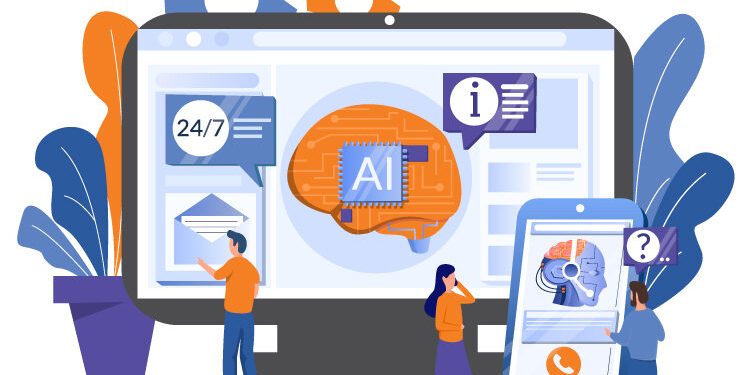
Artificial intelligence (AI) is no longer a futuristic concept reserved for large corporations with deep pockets. Today, AI tools are accessible, affordable, and practical for small businesses across nearly every industry. From streamlining operations to personalizing marketing, AI is reshaping how small businesses compete, grow, and serve their customers. By integrating AI into daily operations, small business owners can save time, reduce costs, and make better decisions—faster than ever before. Find out more here on how AI tools are drastically transforming small business. See what key areas AI is impacting for small companies. Talk to an AI business consultant for more assistance.
The Shift in Small Business Operations
Traditionally, small businesses relied heavily on manual processes, personal intuition, and limited resources to manage operations. While this approach allowed for a personal touch, it also limited growth potential. AI tools have changed the game by automating repetitive tasks, analyzing large volumes of data in real-time, and providing actionable insights. As a result, small businesses can now operate with a level of sophistication once reserved for enterprise-level companies.
Key Areas Where AI Creates Impact
AI is not just a single technology—it encompasses a range of tools and applications designed to solve specific business challenges. For small businesses, several AI-driven areas stand out as transformative.
Automating Administrative Tasks
Many small business owners spend a significant portion of their day on routine tasks such as scheduling, data entry, and invoice management. AI-powered virtual assistants, scheduling platforms, and bookkeeping software can automate these functions. This frees up valuable time for owners to focus on strategic decision-making and customer engagement.
Improving Customer Service
AI-powered chatbots and virtual assistants are now capable of handling complex customer inquiries around the clock. These tools can answer frequently asked questions, process orders, and even make personalized product recommendations. By providing instant responses, small businesses can improve customer satisfaction and reduce the need for extensive customer service staffing.
Data-Driven Decision-Making
One of the most powerful benefits of AI is its ability to process and analyze massive amounts of data. Small business owners can use AI-driven analytics tools to identify trends, predict customer behavior, and monitor key performance indicators. This shift from guesswork to data-backed strategy enables more confident and profitable decisions.
Personalized Marketing
Marketing personalization was once a costly endeavor requiring sophisticated tools and extensive manpower. Today, AI can analyze customer behavior, segment audiences, and automatically deliver targeted marketing campaigns. From personalized email content to tailored social media ads, AI helps small businesses engage customers with the right message at the right time.
Inventory and Supply Chain Optimization
AI-powered inventory management systems can predict demand, alert business owners to low stock, and recommend optimal restocking schedules. For businesses dealing with physical products, this means fewer lost sales due to stockouts and less capital tied up in excess inventory.
Why Small Businesses Benefit from AI Adoption
While large corporations have been early adopters of AI, small businesses often experience more immediate and visible benefits. This is because AI can replace multiple tools, reduce labor needs, and streamline processes without large-scale infrastructure changes.
Cost Savings
Automating repetitive tasks reduces labor expenses and operational inefficiencies. AI tools can often handle the workload of several employees, which is especially beneficial for small teams with limited budgets.
Increased Productivity
AI reduces the time spent on manual tasks, allowing business owners and staff to dedicate more energy to growth-oriented activities. This productivity boost can be the difference between a stagnant business and one that scales quickly.
Competitive Advantage
Small businesses that embrace AI gain an edge over competitors still relying on outdated processes. Faster decision-making, improved customer service, and personalized marketing allow these businesses to attract and retain customers more effectively.
Scalability
AI systems are inherently scalable. As a business grows, AI tools can handle increased workloads without significant additional investment in staff or infrastructure.
Overcoming Common AI Adoption Barriers
Despite the clear benefits, some small business owners hesitate to implement AI due to concerns about complexity, cost, or lack of technical expertise. However, most modern AI tools are designed with user-friendliness in mind, requiring little to no coding knowledge.
Choosing the Right Tools
Selecting the right AI solutions begins with identifying specific business challenges. For example, a service-based business may benefit most from an AI scheduling assistant, while an e-commerce store might prioritize AI-driven product recommendations.
Training and Integration
While many AI tools are intuitive, providing basic training for staff ensures smoother integration into existing workflows. Even minimal training can significantly improve the value derived from AI investments.
Measuring ROI
To maximize benefits, businesses should track performance metrics before and after AI implementation. This allows owners to measure the return on investment and make data-driven decisions about future AI adoption.
The Future of AI in Small Business
AI is evolving rapidly, and small businesses that adopt it now are positioning themselves for long-term success. Emerging AI trends such as voice-activated business management, advanced predictive analytics, and AI-powered creative tools will only increase the technology’s value. The businesses that thrive will be those willing to adapt and embrace these innovations early.
Moving Forward with AI
Small businesses can no longer afford to ignore the opportunities AI presents. By starting small—integrating one or two AI tools into daily operations—and expanding over time, owners can see measurable results without overwhelming their teams. Whether the goal is to improve efficiency, reduce costs, or better serve customers, AI offers the capabilities to make it happen. Embracing AI today means building a smarter, more competitive, and more profitable business for tomorrow.
Find out more here on how AI tools are drastically transforming small business. See what key areas AI is impacting for small companies. Talk to an AI business consultant for more assistance.