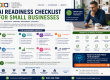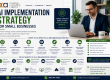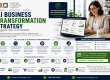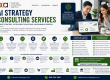
Artificial intelligence is transforming the way businesses operate, but many small business owners struggle to determine where to begin. The market is filled with AI tools promising to automate operations, increase productivity, and reduce costs. However, implementing artificial intelligence successfully requires far more than selecting software. It requires a strategic approach that aligns technology with business objectives. This is where AI consulting for small businesses provides tremendous value.
Rather than experimenting with disconnected AI applications, businesses can develop a clear implementation strategy that improves operations while minimizing risk. Working with an experienced AI consultant allows organizations to identify high-impact opportunities, prioritize investments, and implement AI solutions that produce measurable business results.
What Is AI Consulting for Small Businesses?
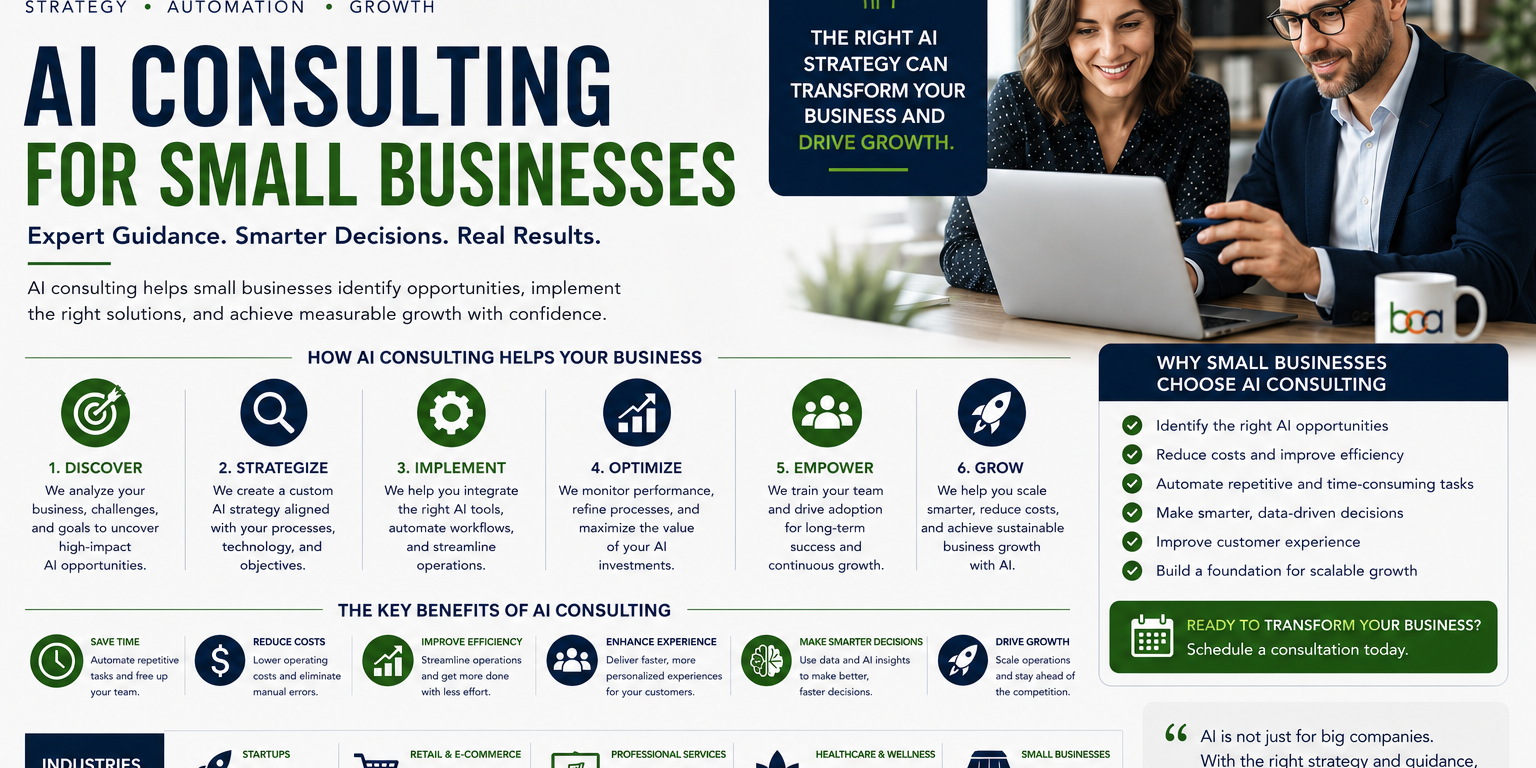
AI consulting for small businesses is a professional service that helps organizations evaluate, plan, implement, and optimize artificial intelligence solutions based on their unique business needs.
Instead of recommending technology for technology’s sake, an AI consultant focuses on solving real business challenges.
Typical consulting services include:
- AI readiness assessments
- Business process analysis
- AI implementation strategies
- Workflow automation planning
- Technology recommendations
- Change management
- Employee training
- Performance optimization
The goal is to help businesses use artificial intelligence to improve efficiency, reduce operational costs, and create scalable growth.
Why Small Businesses Need AI Consulting
Large enterprises often employ internal technology teams responsible for evaluating and implementing emerging technologies. Small businesses rarely have that luxury.
Without experienced guidance, many organizations:
- Purchase unnecessary software.
- Automate inefficient workflows.
- Underestimate implementation costs.
- Ignore data quality.
- Fail to train employees.
- Never achieve measurable ROI.
Professional AI consulting helps businesses avoid these costly mistakes while accelerating implementation success.
Identify the Right AI Opportunities
Not every business process should be automated immediately.
One of the first responsibilities of an AI consultant is identifying where artificial intelligence will create the greatest value.
High-impact opportunities often include:
- Customer service automation
- Lead management
- Appointment scheduling
- Sales follow-up
- Marketing automation
- Internal reporting
- Document management
- Knowledge management
Focusing on these opportunities first allows businesses to generate quick wins while building confidence in AI.
Build an AI Strategy Around Business Goals
Artificial intelligence should support business strategy—not replace it.
Successful organizations begin by defining objectives such as:
- Increasing productivity
- Reducing operating expenses
- Improving customer satisfaction
- Supporting business growth
- Enhancing decision-making
- Scaling operations efficiently
Once these priorities are established, AI initiatives can be aligned with measurable outcomes.
Evaluate Existing Technology
Every implementation should begin with a thorough review of existing systems.
Areas commonly evaluated include:
- CRM software
- Accounting platforms
- Marketing tools
- Project management systems
- Communication platforms
- Cloud infrastructure
- Data management
Understanding the current technology environment helps identify integration opportunities while avoiding unnecessary software purchases.
Prepare Employees for AI Adoption
Successful AI implementation depends just as much on people as technology.
Employees should understand:
- Why AI is being introduced.
- Which tasks will be automated.
- How workflows will improve.
- How AI supports their daily responsibilities.
- What training will be available.
Organizations that invest in employee education typically experience higher adoption rates and stronger long-term success.
Measure Business Results
Every AI project should produce measurable business improvements.
Key performance indicators often include:
- Time saved
- Operating cost reductions
- Revenue growth
- Employee productivity
- Customer response times
- Customer satisfaction
- Process efficiency
- Return on investment
Measuring these outcomes allows businesses to continuously refine their AI strategy.
Common Mistakes Businesses Make
Many organizations approach AI with unrealistic expectations.
Some of the most common mistakes include:
- Buying AI software before developing a strategy.
- Attempting to automate every department simultaneously.
- Ignoring process improvement.
- Underestimating data quality.
- Expecting immediate transformation.
- Failing to define measurable objectives.
- Overlooking employee training.
Avoiding these mistakes significantly improves implementation success.
The Long-Term Value of AI Consulting
Artificial intelligence continues to evolve at an extraordinary pace.
Businesses that establish a long-term consulting relationship are better positioned to:
- Identify new automation opportunities.
- Improve operational efficiency.
- Adapt to changing technologies.
- Increase profitability.
- Build scalable systems.
- Maintain a competitive advantage.
Rather than reacting to technological change, they develop an ongoing strategy for continuous improvement.
How Business Consulting Agency Helps Businesses Grow
Business Consulting Agency provides AI consulting for small businesses that combines strategic planning with practical implementation. We help organizations evaluate existing operations, identify automation opportunities, develop AI implementation strategies, and integrate intelligent solutions that support measurable business growth.
Our consulting services focus on delivering real business outcomes—not simply implementing technology. Whether your goal is improving productivity, reducing operational costs, or preparing your business for future growth, we help you build an AI strategy that delivers lasting value.
Key Takeaways
AI consulting for small businesses is about more than adopting new technology. It is about creating a strategic framework that aligns artificial intelligence with your business objectives, operational processes, and long-term vision.
By working with experienced consultants, businesses can reduce implementation risks, improve efficiency, and maximize the return on every AI investment. Organizations that approach AI strategically will be better prepared to compete, innovate, and grow in an increasingly technology-driven marketplace.
Frequently Asked Questions
What does an AI consultant do for a small business?
An AI consultant evaluates your business, identifies automation opportunities, develops an implementation strategy, and helps integrate AI solutions that improve efficiency and support growth.
Is AI consulting worth it for small businesses?
Yes. Professional consulting helps businesses avoid costly implementation mistakes, prioritize high-value projects, and achieve better long-term returns from their AI investments.
What types of businesses benefit from AI consulting?
Nearly every industry can benefit, including professional services, healthcare, retail, e-commerce, manufacturing, financial services, and technology companies.
How long does an AI consulting engagement take?
The timeline depends on the scope of the project. Initial assessments may take several days, while comprehensive implementation strategies can extend over several weeks or months.
What is the difference between AI consulting and AI implementation?
AI consulting focuses on strategy, planning, and identifying the best opportunities for AI adoption. AI implementation involves deploying the recommended technologies, integrating them into existing systems, and optimizing them for long-term success.